

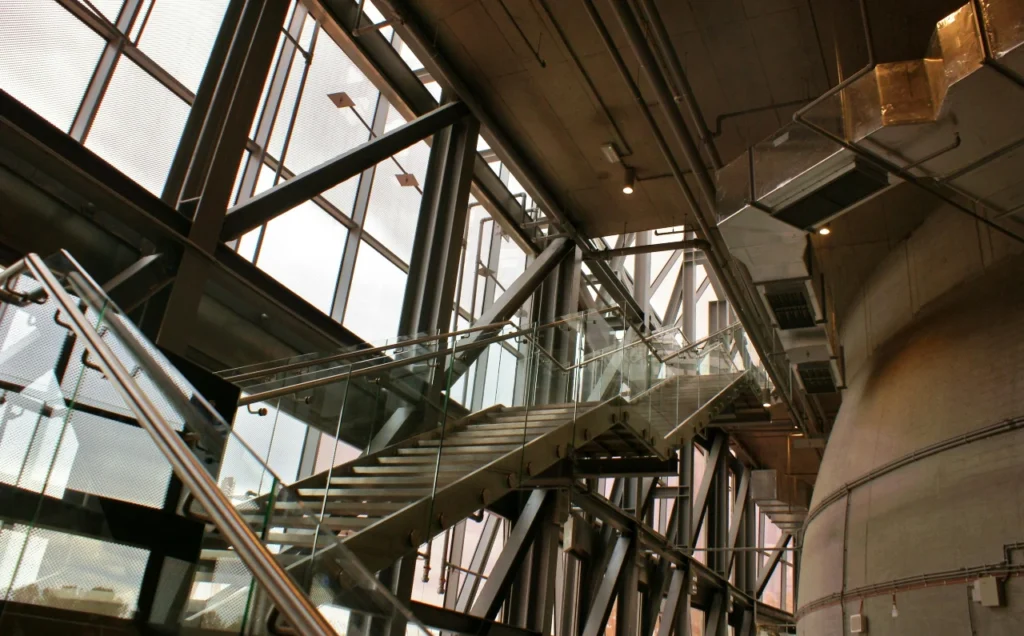
Industrial facilities and manufacturing plants face a unique challenge: balancing the need for durability and safety with operational efficiency. While many factory managers focus on equipment and processes, the glazing systems in their buildings directly impact energy costs, worker productivity, and facility safety. At NorTex Glass & Mirror, we’ve been helping industrial facilities across North Texas and Southern Oklahoma optimize their glass solutions since 2004. This comprehensive guide explains how strategic daylighting and proper glazing improve manufacturing operations while reducing long-term costs.
Natural light in manufacturing spaces delivers measurable operational benefits that extend far beyond aesthetics. For decades, industrial facilities relied entirely on artificial lighting, running high-intensity discharge lamps 24 hours a day regardless of outdoor conditions. This approach creates unnecessary energy expenses and maintenance costs.
According to research from Lawrence Berkeley National Laboratory, effective daylighting strategies can reduce peak electrical loads and annual lighting energy consumption significantly in industrial buildings. The energy-efficient impact goes beyond simple bulb replacement—proper daylighting reduces HVAC loads since less heat is generated by artificial lighting systems.
Modern daylighting technology has evolved dramatically. Advanced systems eliminate traditional problems like roof leaks, inconsistent lighting patterns, and excessive building maintenance. For manufacturing facilities looking to improve energy efficiency and operational performance, strategic glass placement and specification delivers tangible returns.
Plant managers and facility directors operate under constant pressure to reduce operational costs. Energy-efficient glazing systems address multiple cost centers simultaneously.
Industrial facilities consume enormous amounts of electricity for lighting. A typical 100,000-square-foot manufacturing plant with standard high-bay lighting might spend $40,000 to $70,000 annually just on artificial illumination during daylight hours.
Proper daylighting systems can reduce this consumption by 30 to 50 percent according to studies published by the Fabricators & Manufacturers Association. For a facility spending $50,000 annually on daytime lighting, that represents $15,000 to $25,000 in direct energy savings every year.
Over a 20-year facility lifespan, cumulative savings reach $300,000 to $500,000—often exceeding the initial cost of implementing proper glazing systems.
High-intensity discharge (HID) and metal halide lamps require frequent replacement. Labor costs for changing bulbs in 30-foot-high manufacturing spaces are substantial. Bucket trucks, scissor lifts, or specialized personnel all add expense. Some facilities shut down entire production lines to safely access lighting fixtures.
Daylighting reduces the operating hours of artificial lights, extending bulb life by 40 to 60 percent. Maintenance labor drops proportionally, freeing facility staff for productive tasks rather than routine lamp changes.
According to research from manufacturing engineering organizations, natural daylight’s full-spectrum content and superior color rendering characteristics significantly improve visibility of product defects. Quality control inspectors working under natural light can detect imperfections that might be missed under artificial lighting’s limited spectral output.
This improved defect detection reduces waste, prevents customer returns, and protects brand reputation—benefits that are difficult to quantify but enormously valuable in manufacturing operations.
Understanding available glazing options helps facility managers match solutions to their specific operational requirements and budgets.
Conventional skylights have illuminated factory floors for over a century. Modern versions incorporate significant improvements over historical installations.
Prismatic Skylights feature engineered domes or panels that diffuse incoming light, distributing it evenly across work surfaces. These systems prevent concentrated hotspots while maximizing light transmission. Quality prismatic skylights achieve light transmission rates of 85 to 92 percent.
Cost Range: $50 to $90 per square foot installed
Best For:
The primary concern with traditional skylights is thermal performance. Standard units can create significant heat gain in summer and heat loss in winter, potentially offsetting energy savings from reduced artificial lighting. High-performance glazing addresses this challenge through Low-E coatings and insulated assemblies.
Tubular daylighting devices represent advanced optical technology that captures sunlight through small rooftop apertures and delivers it through highly reflective tubes to interior spaces. According to daylighting research, TDDs can redirect natural light through 30-foot vertical distances and around existing structural obstructions.
Cost Range: $500 to $1,200 per unit installed
Best For:
TDDs minimize roof penetrations, reducing leak potential. The small apertures (typically 10 to 21 inches in diameter) create minimal thermal impact compared to traditional skylights. Advanced optical designs ensure consistent light delivery regardless of sun angle throughout the day.
Clerestory windows sit high on vertical walls, often above adjacent roof lines. Monitor roofs feature raised central sections with vertical glazing on both sides. These traditional industrial daylighting strategies remain effective when properly designed.
Cost Range: $75 to $150 per square foot installed depending on structural requirements
Best For:
Clerestory systems excel at directing natural light deep into building interiors without creating glare on work surfaces. The vertical orientation naturally sheds rain and snow, reducing maintenance compared to horizontal skylights.
Modern manufacturing facilities increasingly incorporate curtain wall systems—continuous glass facades that maximize transparency and natural light while providing full weather protection.
Cost Range: $100 to $200+ per square foot installed depending on performance specifications
Best For:
Industrial curtain walls require careful specification. High-performance Low-E glass controls solar heat gain while maintaining visible light transmission. Structural requirements differ from office buildings due to equipment vibration and potential impact from material handling equipment.
Industrial facilities present unique safety challenges. Material handling equipment, overhead cranes, production processes, and high-traffic areas all increase the risk of glass impact. Proper safety glazing protects both personnel and operational continuity.
The International Building Code Chapter 24 establishes requirements for safety glazing in hazardous locations. Manufacturing facilities must comply with CPSC 16 CFR 1201 standards for impact resistance.
According to Safety Glazing Certification Council standards, safety glazing includes tempered glass, laminated glass, and impact-resistant polycarbonate. Each material offers specific advantages for industrial applications.
Tempered glass is four to five times stronger than standard annealed glass. When it does break, it shatters into small, relatively harmless fragments rather than dangerous shards. This characteristic makes tempered glass the standard choice for most industrial glazing applications.
Tempered glass handles thermal stress well—important for areas near heat-generating processes. It maintains optical clarity superior to polycarbonate alternatives. The main limitation is that tempered glass provides no protection once broken—the entire pane disintegrates.
Cost Addition: $8 to $15 per square foot above standard annealed glass
Laminated glass consists of two or more glass panes bonded with a plastic interlayer (typically polyvinyl butyral or PVB). When impacted, the glass may crack, but fragments adhere to the interlayer, maintaining a barrier.
According to industrial safety research, laminated glass is essential for control rooms overseeing dangerous processes, areas adjacent to heavy machinery, spaces where glass breakage could contaminate production, and locations requiring continued protection even after initial damage.
The interlayer also provides excellent sound dampening—valuable for separating noisy production areas from offices or quality control laboratories.
Cost Addition: $15 to $35 per square foot above standard glass
Polycarbonate glazing offers impact resistance 200 times greater than standard glass. For manufacturing environments with extreme impact risks, polycarbonate provides unmatched protection.
Best Applications:
The trade-offs include reduced optical clarity compared to glass, susceptibility to scratching, and higher cost. Polycarbonate requires special coatings to resist UV degradation and abrasion. According to industrial material testing, proper polycarbonate selection dramatically reduces replacement frequency and worker injury from glass fragments.
Manufacturing facilities often require fire-rated assemblies to meet building codes and insurance requirements. Fire-rated glass allows natural light and visibility while providing critical fire protection.
Fire-rated glazing is tested to withstand fire exposure for specific time periods—typically 20, 45, 60, or 90 minutes. Two categories exist:
Fire-protective glass blocks flames and smoke but doesn’t prevent radiant heat transmission. Traditional wired glass falls into this category, though building codes now prohibit wired glass in most impact-prone locations due to safety concerns.
Fire-resistive glass blocks flames, smoke, and radiant heat. Modern ceramic and intumescent laminated products meet both fire codes and impact safety standards simultaneously.
Fire-rated glass enables critical facility functions:
Hazardous Material Storage: Areas storing flammable materials or chemicals must be separated from production areas. Fire-rated glass provides required separation while allowing visual monitoring.
Boiler and Mechanical Rooms: Operators need visual access to equipment status. Fire-rated viewing panels provide this visibility without compromising fire protection.
Exit Corridors: Manufacturing facilities require clear egress paths. Fire-rated glass in corridor walls maintains daylighting and wayfinding while meeting life safety codes.
Production Area Separations: Some manufacturing processes generate heat or use open flames. Fire-rated glass separates these areas while maintaining visual supervision and natural light flow.
Modern fire-rated products eliminate the sharp-edge problems of traditional wired glass while providing superior fire protection and impact safety.
Texas and Oklahoma’s climate creates specific challenges for industrial glazing. Intense summer sun drives cooling costs, while winter conditions require heating—though less dramatically than northern climates.
Low-emissivity coatings are microscopically thin metallic layers applied to glass surfaces. These coatings reflect infrared light while allowing visible light transmission.
According to the U.S. Department of Energy, Low-E glass can reduce energy consumption by 20 to 30 percent compared to standard glazing. For an industrial facility spending $100,000 annually on HVAC, that represents $20,000 to $30,000 in annual savings.
Low-E coatings also block 99 percent of UV rays, protecting products, materials, and equipment from sun damage and fading.
SHGC measures how much solar heat passes through glass. For industrial facilities in North Texas and Oklahoma, lower SHGC values (0.25 to 0.40) reduce cooling loads dramatically.
Spectrally selective Low-E coatings block 60 to 70 percent of solar heat while transmitting 60 to 70 percent of visible light. This performance optimizes both daylighting benefits and thermal comfort.
For facilities with extensive south and west-facing glazing, proper SHGC specification prevents afternoon heat gain that overwhelms HVAC systems and creates uncomfortable working conditions.
Double-glazed units with Low-E coatings and argon or krypton gas fills provide excellent thermal performance. Industrial facilities don’t always require the same level of insulation as offices—workers generate heat, and many processes create thermal loads. However, offices, break rooms, and quality control laboratories within industrial buildings benefit significantly from high-performance IGUs.
Cost Range: Add $15 to $30 per square foot for insulated units with Low-E coatings
Industrial environments generate substantial noise. Glass solutions can help manage sound transmission, protecting office workers and meeting OSHA noise exposure limits.
Sound Transmission Class (STC) ratings measure acoustic performance. According to ASTM International standards, higher numbers indicate better sound blocking.
Manufacturing noise levels frequently exceed 85 decibels—the threshold requiring hearing protection under OSHA regulations. Offices and control rooms separated from production areas by glass partitions need adequate sound insulation to maintain productive, comfortable working conditions.
Standard single-pane glass achieves STC ratings around 27—insufficient for separating noisy production from offices. Laminated glass with acoustic interlayers reaches STC ratings of 40 to 50, providing substantial noise reduction while maintaining transparency and natural light.
For control rooms overseeing loud production processes, acoustic laminated glass allows visual supervision while creating quiet spaces for communications, computer work, and process monitoring.
Cost Range: $45 to $85 per square foot for high-performance acoustic laminated glass
Industrial facilities expose glazing systems to conditions that would quickly destroy standard architectural glass.
Manufacturing processes often involve acids, alkalis, solvents, and other chemicals. Standard glass provides excellent chemical resistance to most industrial substances. However, sealing materials, gaskets, and frames require careful selection.
Silicone sealants resist most chemicals better than conventional glazing compounds. Stainless steel or vinyl frames withstand corrosive atmospheres better than standard aluminum.
Some industrial processes create extreme temperatures. Foundries, forges, glass manufacturing, and food processing all generate heat that affects nearby glazing.
Tempered glass withstands thermal shock better than annealed glass, making it suitable for areas experiencing rapid temperature changes. For extreme heat applications, fire-rated ceramic glass handles temperatures exceeding 1,000°F without failure.
Cold storage facilities and refrigerated processing areas require insulated glazing that prevents condensation and ice formation. Proper specification prevents moisture intrusion that damages seals and reduces visibility.
Manufacturing environments subject glazing to flying debris, equipment collisions, and cleaning with industrial chemicals and equipment. Laminated glass and polycarbonate both resist impact better than tempered glass.
For areas requiring frequent cleaning with aggressive methods, tempered glass maintains optical clarity better than polycarbonate, which scratches easily despite protective coatings.
Industrial glazing projects differ significantly from commercial office installations. Understanding these differences ensures successful outcomes.
Manufacturing facilities operate on tight schedules. Production downtime costs thousands of dollars per hour. Glass installation must minimize disruption to ongoing operations.
Professional commercial glaziers coordinate installations during planned shutdowns, off-shifts, or in carefully sequenced phases that maintain production. This requires detailed planning and flexible scheduling—capabilities that distinguish experienced industrial glazing contractors from general commercial contractors.
Industrial buildings often feature different structural systems than office buildings. Pre-engineered metal buildings, tilt-up concrete panels, and industrial steel frames all require specific glass attachment methods.
Proper engineering ensures glass loads transfer safely to building structures without creating stress concentrations or compromising building integrity. Expansion joints accommodate building movement from temperature changes and equipment vibration.
Installing skylights and clerestory windows in facilities with 30 to 50-foot ceiling heights requires specialized equipment and safety protocols. Overhead cranes, production equipment, and stored materials create access challenges.
Experienced industrial glaziers implement comprehensive safety programs including fall protection, confined space entry procedures, and coordination with facility operations to prevent accidents.
Industrial glazing projects require contractors with specific experience and capabilities beyond general commercial glass installation.
Industry Experience: Verify contractors have completed similar industrial projects. Manufacturing facilities have unique requirements that office building contractors may not understand.
Safety Protocols: Industrial glazing contractors must demonstrate comprehensive safety programs meeting OSHA requirements. Ask for Safety Data Sheets (SDS), site-specific safety plans, and evidence of safety training.
Project Coordination: Industrial projects require coordination with operations, maintenance, and safety personnel. Contractors should demonstrate strong communication and project management skills.
Insurance and Bonding: Confirm contractors maintain comprehensive insurance including general liability, workers compensation, and professional liability. Manufacturing facilities have unique risk profiles requiring appropriate coverage levels.
At NorTex Glass & Mirror, our team has extensive experience with industrial facility glazing throughout North Texas and Southern Oklahoma. We understand manufacturing operations and work closely with facility managers to deliver solutions that meet operational, safety, and budgetary requirements without disrupting production.
Industrial facility managers operate under strict budget constraints. Understanding complete project costs and expected returns helps justify investments in quality glazing systems.
Consider a 100,000-square-foot manufacturing facility implementing strategic daylighting:
For a daylighting system investment of $200,000, payback occurs in 6 to 10 years through direct operational savings alone. This calculation doesn’t include productivity improvements, quality control benefits, or property value appreciation.
Over a 30-year facility lifespan, cumulative savings reach $600,000 to $990,000—three to five times the initial investment.
Quality industrial glazing systems require minimal maintenance but regular attention ensures optimal performance and longevity.
Industrial environments create more glazing contamination than office buildings. Dust, production residues, and atmospheric pollutants reduce light transmission. Regular cleaning maintains daylighting benefits.
Budget $0.75 to $2.00 per square foot annually for professional industrial glazing cleaning services.
Glazing seals prevent water intrusion and maintain thermal performance. Industrial environments with temperature extremes and chemical exposure accelerate seal degradation.
Annual inspections identify deterioration before leaks occur. Gasket replacement every 8 to 12 years maintains original performance. This preventive maintenance costs far less than addressing water damage or replacing failed glazing units.
Industrial buildings experience vibration from equipment, material handling, and production processes. These forces stress glazing attachments over time.
Professional structural inspection every 3 to 5 years identifies loose fasteners, cracked welds, or deteriorated anchors before failure occurs. This proactive approach prevents safety incidents and costly emergency repairs.
Industrial facility glazing represents strategic investment in operational efficiency, energy management, and workforce productivity. The right glass solutions reduce energy costs, improve manufacturing quality control, enhance facility safety, minimize maintenance expenses, and support corporate sustainability goals.
While industrial glazing requires higher initial investment than simple wall construction, the returns—energy savings, maintenance reduction, quality improvements, and property value appreciation—far exceed costs. Manufacturing facilities that prioritize quality glass solutions create better operational outcomes while improving long-term financial performance.
At NorTex Glass & Mirror, we’ve been helping industrial facilities across North Texas and Southern Oklahoma optimize their glazing systems for over 20 years. Our team understands manufacturing operations and works closely with plant managers to deliver solutions that meet production, safety, and budgetary requirements.
Ready to discuss glazing solutions for your industrial facility? Contact NorTex Glass at (903) 813-0985 for a consultation. We’ll assess your specific needs, explain appropriate options, and provide detailed proposals with transparent pricing.
Whether you’re planning a new manufacturing facility, renovating an existing plant, or addressing specific energy or safety challenges, we bring the expertise and experience to deliver glass solutions that support your operational objectives.
Explore our portfolio of completed projects or visit NorTex Glass & Mirror to learn more about our commercial glazing capabilities. For insights on energy-efficient glass performance, read our article on how energy-efficient commercial glass can transform your business.
Industrial facilities and manufacturing plants face a unique challenge: balancing the need for durability and safety with operational efficiency. While …
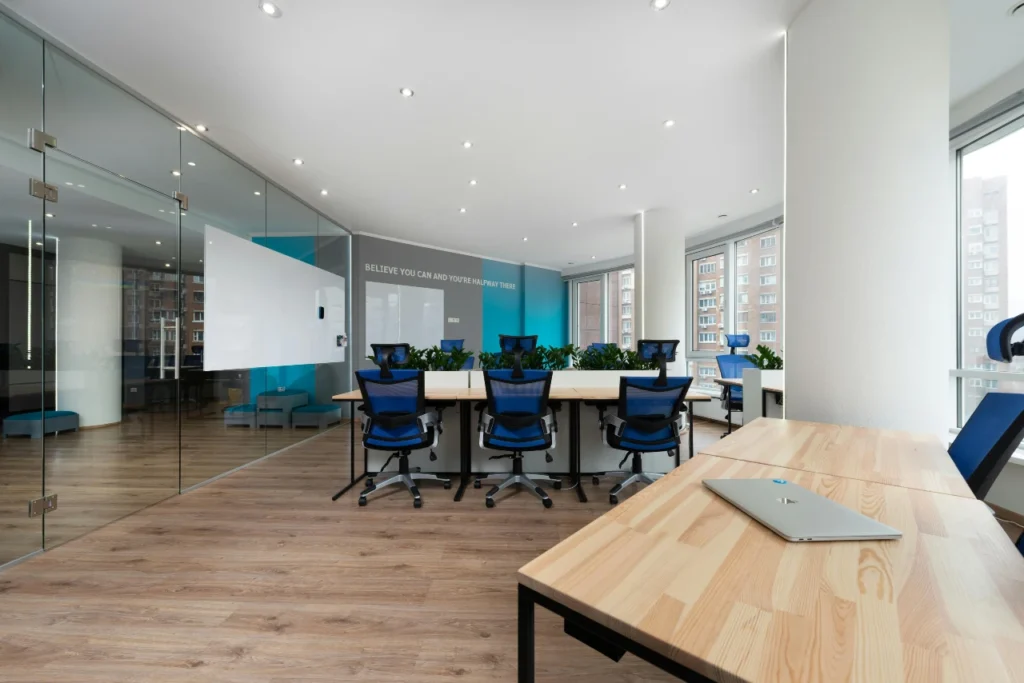
Modern offices are abandoning traditional closed-door layouts in favor of flexible, light-filled spaces that support collaboration while maintaining necessary privacy. …
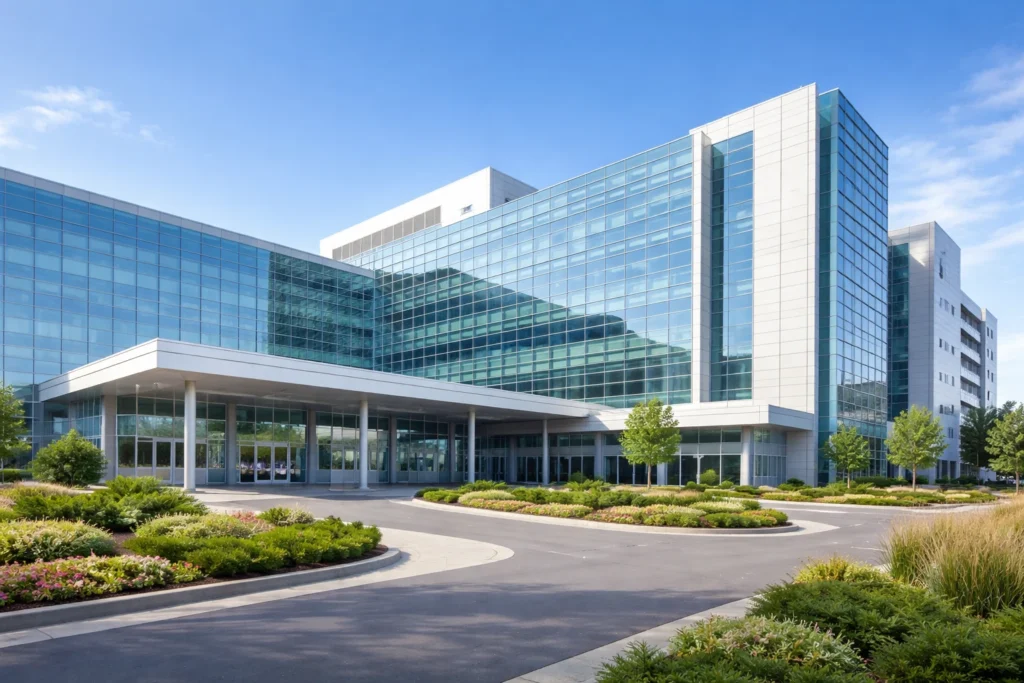
Complete guide to healthcare facility glass solutions. HIPAA compliance, fire-rated systems, acoustic control & energy efficiency for hospitals in North Texas & Oklahoma.