

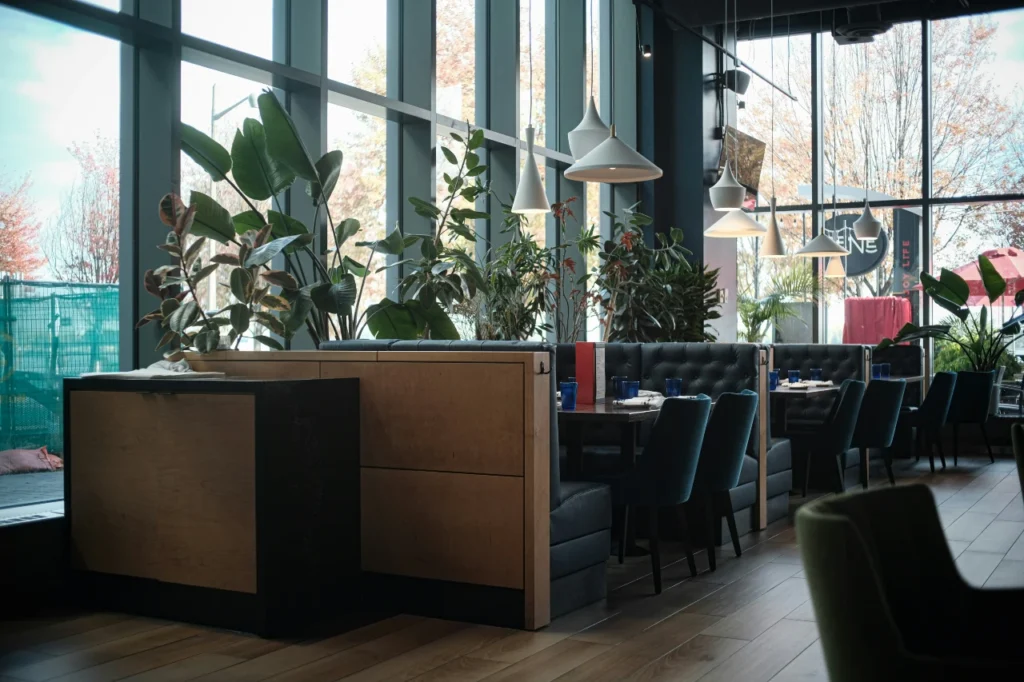
Your restaurant’s storefront is more than an entrance—it’s the first chapter of your diners’ experience. Before customers taste a single dish, your glass storefront tells them what kind of dining experience awaits inside. At NorTex Glass & Mirror, we’ve helped restaurants across North Texas and Southern Oklahoma create stunning, welcoming storefronts that turn passersby into patrons since 2004. This guide explores how strategic glass design transforms restaurant ambiance, influences customer behavior, and ultimately drives revenue.
Every design element in your restaurant communicates something to potential customers. Glass storefronts create powerful first impressions that significantly influence dining decisions.
Research in environmental psychology shows that transparency builds trust. When people can see inside your restaurant before entering, they feel more comfortable making the decision to dine with you. A study published in the Journal of Consumer Research found that visibility into dining spaces increases customer confidence and reduces hesitation, especially for first-time visitors.
The moment someone walks past your restaurant, their brain processes visual cues in milliseconds. Clear glass storefronts allow potential diners to quickly assess several key factors: how busy the restaurant is, what the atmosphere feels like, whether the interior matches their mood, and if the space looks clean and inviting.
According to hospitality design experts, restaurants with transparent storefronts see foot traffic increases of 15 to 20 percent compared to those with opaque or heavily tinted facades. People naturally gravitate toward spaces where they can preview the experience.
The psychology goes deeper than simple visibility. Glass creates what designers call “permeable boundaries”—spaces that feel both open and protected. This balance is crucial for restaurants. Diners want to feel they’re part of the neighborhood energy while still enjoying an intimate meal.
Different glass types create dramatically different ambiances. Understanding your options helps you align your storefront with your restaurant concept and target clientele.
Clear tempered glass is the most common choice for casual dining, cafes, and bistros. It offers unobstructed views in both directions, maximizing natural light and creating visual connection between street and dining room.
Best for:
Clear glass sends a message of accessibility and transparency. It works particularly well for restaurants where the interior design, food preparation, or crowd energy are selling points. If your restaurant features an attractive interior, beautiful plating, or bustling open kitchen, clear glass lets these assets work as marketing tools 24 hours a day.
Low-emissivity glass features microscopic coatings that reflect infrared light while allowing visible light to pass through. This technology is game-changing for Texas and Oklahoma restaurants battling intense sun and heat.
Low-E glass blocks 50 to 70 percent of solar heat gain while maintaining 60 to 80 percent visible light transmission. For restaurants with west-facing windows or large glass expanses, this translates to dramatic energy savings. According to the U.S. Department of Energy, businesses can reduce cooling costs by 20 to 30 percent with proper Low-E glass installation.
Beyond cost savings, Low-E glass creates more comfortable dining environments. Window-side tables stay cooler, reducing customer complaints about sun glare and heat. Your HVAC system doesn’t have to work as hard, creating quieter dining spaces. The glass also blocks 99 percent of UV rays, protecting furniture, artwork, and window treatments from fading.
Best for:
Tinted glass comes in bronze, gray, blue, and green shades, each creating different atmospheric effects. The tint reduces visible light transmission while adding visual interest and privacy.
Bronze and warm gray tints create cozy, intimate feelings—perfect for steakhouses, wine bars, and romantic dining venues. These warm tones complement wood interiors and traditional restaurant aesthetics. Cool gray and blue tints work well with modern, contemporary designs, creating sophisticated, urban atmospheres.
Tinted glass provides daytime privacy without completely blocking views. Passersby can still see movement and ambiance inside, but details remain softened. This balance works well for upscale restaurants where exclusivity is part of the brand but complete opacity feels unwelcoming.
Best for:
Frosted glass creates privacy while still allowing abundant natural light. The technique—achieved through acid etching or sandblasting—diffuses light beautifully, creating soft, elegant ambiance.
Many restaurants use frosted glass strategically rather than throughout the entire storefront. Lower panels might be frosted for privacy while upper sections remain clear for natural light. Frosted bands at eye level provide privacy for seated diners while maintaining street visibility above and below.
Frosted glass also offers branding opportunities. Restaurant logos, names, or decorative patterns can be incorporated into the frosting design, creating distinctive, memorable storefronts that double as signage.
Best for:
Natural light profoundly impacts how diners perceive and enjoy their meals. Multiple studies confirm what restaurant designers have known for decades: daylight enhances the dining experience in measurable ways.
Research from Cornell University’s School of Hotel Administration found that diners in naturally lit restaurants spend 15 to 20 percent more time at their tables and order more items compared to those in artificially lit spaces. Natural light creates relaxation, encouraging diners to linger over dessert or additional drinks.
The Heschong Mahone Group conducted extensive research on daylighting in retail and hospitality environments. Their findings showed that restaurants with optimal natural light saw customer satisfaction ratings increase by 12 percent. The quality of light affects how food appears on plates—natural light renders colors more accurately and makes food look more appetizing.
Natural light also impacts staff performance. Employees working in naturally lit restaurants report better mood, less fatigue, and higher job satisfaction. This translates to better customer service and lower turnover rates—critical factors in the restaurant industry where staffing challenges are constant.
While natural light is beneficial, managing it properly is crucial. Too much uncontrolled sunlight creates glare, uncomfortable heat, and washed-out ambiance during peak hours.
Strategic glass selection solves this challenge. Floor-to-ceiling glass on north-facing walls provides abundant, consistent natural light without harsh direct sun. East-facing glass brings pleasant morning light for breakfast and brunch service. South and west-facing glass requires more careful management—Low-E coatings, tints, or automated shading systems prevent afternoon heat and glare.
Many successful restaurants use layered lighting design where natural light dominates during daytime service, then transitions to carefully designed artificial lighting for dinner. Glass storefronts with high visible light transmission make this transition seamless, maintaining the connection to outside while controlling interior ambiance.
Where and how you position glass in your storefront dramatically affects the dining atmosphere you create.
Expansive glass walls create stunning visual impact. They flood interiors with natural light, make spaces feel larger, and create seamless indoor-outdoor connections.
Floor-to-ceiling glass works beautifully for:
The cost for floor-to-ceiling commercial glass installations typically ranges from $50 to $150 per square foot installed, depending on glass performance specifications and structural requirements. While this represents significant investment, the return comes through enhanced ambiance, reduced lighting costs, and increased property value.
Traditional storefront configurations with glass at conventional window height (starting 2 to 3 feet from ground level) create different effects. The solid base provides practical benefits—easier HVAC installation, better furniture placement options, and reduced cleaning requirements.
This configuration works well for:
Your entrance door is where storefront design meets functional requirements. The door must welcome guests while providing security, weather protection, and smooth operation.
Frameless glass doors create ultra-modern, minimalist statements. The all-glass appearance emphasizes openness and contemporary design. However, they require substantial structural support and carry higher costs—typically $150 to $300 per square foot installed.
Aluminum-framed glass doors offer durability and versatility at lower costs ($75 to $150 per square foot). Available in various finishes—anodized bronze, black, silver, custom powder coats—aluminum frames can complement any restaurant aesthetic. The frames provide structural integrity while still maintaining significant glass area for visibility.
For restaurants in North Texas and Southern Oklahoma, automatic sliding doors deserve consideration. They improve accessibility, reduce air infiltration, and create smooth traffic flow during busy service periods. While initial costs are higher ($3,000 to $8,000 for quality commercial automatic door systems), the convenience and energy savings often justify the investment for moderate to high-traffic establishments.
Your restaurant concept should drive glass design decisions. What works for a bustling taqueria doesn’t suit an intimate steakhouse.
Fast-casual restaurants and cafes benefit from maximum transparency. Clear glass storefronts with minimal framing showcase activity, energy, and the crowd—all powerful signals to potential customers that your establishment is popular and worth trying.
Large glass panels at eye level let people see available seating at a glance. Open sightlines to service counters or food preparation areas build trust and interest. Natural light creates bright, energetic atmospheres that align with quick-service dining expectations.
Consider incorporating operable glass doors or folding glass walls that open completely during pleasant weather. These systems (costing $200 to $400 per linear foot) transform your restaurant into an indoor-outdoor experience that’s increasingly popular with diners.
Upscale restaurants face a unique challenge—creating visible presence while maintaining exclusive ambiance. The solution lies in strategic transparency.
Many successful fine dining establishments use clear glass in limited areas (entrance vestibules, portions of the facade) while incorporating frosted, tinted, or textured glass elsewhere. This provides street presence and natural light while preserving intimate dining atmosphere.
Consider sight line management carefully. Floor-to-ceiling clear glass might be perfect for a wine storage display or glimpse into an attractive bar area, while dining rooms benefit from partial privacy achieved through frosted bands, strategic landscaping, or interior architectural elements visible through clear glass.
Restaurants with strong cultural identities can use glass as an expressive medium. Decorative glass treatments allow you to incorporate traditional patterns, colors, or motifs directly into your storefront.
Colored glass—achieved through tints, laminates, or ceramic frits—creates distinctive appearances that signal cultural identity. A Greek restaurant might incorporate blue and white glass elements. An Italian trattoria could use warm amber tones. Asian fusion restaurants often embrace clean, minimalist glass with strategic red or black accents.
Custom etching, sandblasting, or digital printing on glass allows unlimited creative expression. These treatments (adding $15 to $50 per square foot to standard glass costs) transform functional storefronts into artistic statements that communicate your restaurant’s unique identity.
The craft beer and gastropub movement embraces industrial-modern design where glass plays a starring role. Large, simple glass panels in black or dark bronze aluminum frames create the right aesthetic.
These establishments often benefit from maximum transparency—showcasing beer tanks, tap systems, crowd energy, and industrial-chic interior design. Clear glass with minimal tint allows passersby to appreciate the full experience.
Consider glass that opens. Retractable glass walls or large folding glass door systems create flexibility, allowing you to modify your space based on weather, crowd size, or special events. This adaptability aligns perfectly with the casual, community-focused atmosphere these establishments cultivate.
Aesthetic impact must be balanced with practical realities. Your glass storefront needs to perform reliably in Texas and Oklahoma’s challenging climate while meeting regulatory requirements.
North Texas summers are brutal. Afternoon sun streaming through large glass storefronts can overwhelm HVAC systems and create uncomfortable dining conditions near windows.
Solar Heat Gain Coefficient (SHGC) measures how much solar heat passes through glass. For south and west-facing restaurant glass, target SHGC values of 0.25 to 0.40. Lower numbers mean less heat transmission. High-performance Low-E glass achieves these values while maintaining 50 to 70 percent visible light transmission—enough to keep interiors bright and welcoming.
The investment in high-performance glass pays off quickly. A 2,000-square-foot restaurant with significant west-facing glass might spend $2,000 to $3,000 extra for Low-E glass over standard clear glass. However, annual cooling cost savings of $800 to $1,500 mean the premium pays for itself in 2 to 4 years.
Commercial restaurant glass must meet safety glazing requirements established by building codes. Glass in doors and within 24 inches of doors must be tempered or laminated safety glass that breaks safely or remains intact when impacted.
Tempered glass (adding $8 to $15 per square foot to material costs) is the standard choice. It’s four to five times stronger than standard glass and breaks into small, relatively harmless pieces rather than dangerous shards.
Laminated glass (adding $15 to $35 per square foot) provides enhanced security. Even when broken, the glass remains bonded to a plastic interlayer, maintaining a barrier against forced entry. For restaurants in urban areas with higher vandalism or break-in risk, laminated glass provides valuable protection.
Glass storefronts require regular cleaning to maintain their impact. Fingerprints, weather residue, and general dirt accumulate quickly, especially on frequently touched entrance doors.
Commercial window cleaning typically costs $0.50 to $2.50 per square foot. For a restaurant with 500 square feet of storefront glass, budget $250 to $1,250 per cleaning. Most restaurants clean glass weekly to bi-weekly, resulting in annual maintenance costs of $6,000 to $15,000 for professional cleaning services.
Consider glass treatments that reduce cleaning frequency. Protective coatings that repel water and dirt (adding $3 to $8 per square foot) can reduce cleaning requirements by 30 to 40 percent while keeping glass clearer between cleanings.
Investing in quality storefront glass delivers measurable returns that extend well beyond aesthetics.
The National Restaurant Association reports that 73 percent of diners make spontaneous decisions about where to eat within two hours of mealtime. Your storefront is competing for those decisions every time someone walks past.
Restaurants that invest in attractive, transparent storefronts see 15 to 25 percent increases in walk-in customers according to hospitality design research. For a restaurant generating $800,000 in annual revenue, a 15 percent increase from improved storefront visibility represents $120,000 in additional sales. Even after accounting for food costs and labor, that translates to $30,000 to $45,000 in additional profit annually.
Quality commercial glass installations increase property values measurably. According to the Appraisal Institute, well-executed storefront improvements can add 3 to 7 percent to commercial property values.
For a restaurant property valued at $500,000, even a 3 percent increase represents $15,000 in added equity. When you eventually sell the property or refinance, that investment in quality glass pays dividends beyond operational improvements.
The restaurant industry faces intense pressure to reduce operating costs. Energy-efficient glass directly impacts your bottom line.
A typical restaurant spends $2 to $3 per square foot annually on energy costs. For a 3,000-square-foot restaurant with significant glass coverage, that’s $6,000 to $9,000 yearly. High-performance glass reducing energy consumption by 20 to 25 percent saves $1,200 to $2,250 annually.
Over a 20-year period—the typical lifespan of quality commercial glass—cumulative savings reach $24,000 to $45,000. This doesn’t include potential utility rebates for energy-efficient improvements or increasing energy costs over time, which make these savings even more substantial.
Your storefront glass is working for your business 24 hours a day. Even when closed, an attractive, well-lit storefront creates brand presence and keeps your restaurant in the consciousness of neighborhood residents.
Social media amplifies this impact. Instagram-worthy storefronts with great natural light become content that customers share. A striking glass facade serves as a backdrop for customer photos, generating free marketing and social proof that money can’t buy.
Quality installation is as important as quality glass selection. Poor installation compromises performance, appearance, and longevity regardless of how much you invest in premium materials.
Experienced commercial glaziers bring specialized knowledge that makes the difference between good and great results. Professional installation includes structural assessment to ensure your building can support glass loads, precise measurements accounting for building settlement and thermal expansion, proper anchoring and sealing to prevent water infiltration, and compliance with all local building codes and energy standards.
At NorTex Glass & Mirror, our installation teams have completed hundreds of restaurant storefront projects across North Texas and Southern Oklahoma. We understand the unique challenges of restaurant environments—the need for rapid installation to minimize business disruption, coordination with other trades during renovations, and ongoing support after installation.
When evaluating commercial glazing contractors for your restaurant project, look for specific qualifications and experience indicators. Companies should demonstrate extensive experience with restaurant and hospitality projects, not just general commercial work. They should provide detailed portfolios showing completed restaurant installations similar to your concept.
Verify that contractors maintain proper licensing and comprehensive insurance coverage. Restaurant projects involve significant liability, and you need assurance that your contractor can handle any issues that arise. Request and contact references from previous restaurant clients. Ask specific questions about installation quality, timeline adherence, and post-installation support.
Ensure your glazier understands local building codes, energy requirements, and can obtain necessary permits. Building department rejections or corrections delay your opening and increase costs significantly.
Staying current with design trends helps your restaurant feel fresh and relevant while avoiding dated appearances that require costly updates.
The trend toward minimalism continues dominating restaurant design. Frameless glass systems or ultra-thin aluminum frames create clean, uninterrupted sightlines that feel modern and sophisticated.
Structural glazing systems use special adhesives and minimal hardware to secure glass without visible framing. These installations create stunning visual impact but require precise engineering and installation. Costs typically run $150 to $250 per square foot—a premium investment that makes powerful statements for high-end establishments.
Indoor-outdoor dining remains one of the hottest trends in restaurant design. Operable glass wall systems—including bi-fold doors, multi-slide systems, and retractable walls—allow restaurants to completely open their facades during pleasant weather.
These systems provide flexibility that standard storefronts can’t match. On a perfect spring evening, your restaurant becomes a seamless indoor-outdoor experience. During extreme weather or slow periods, it returns to an enclosed, climate-controlled space.
Quality operable glass wall systems range from $300 to $600 per linear foot installed. While expensive, they can extend your effective dining season and create differentiated experiences that command premium pricing.
Electrochromic “smart glass” that transitions from clear to opaque at the touch of a button is moving from luxury hotels into restaurant applications. The technology allows dynamic control of privacy and light transmission without curtains, blinds, or other mechanical solutions.
Currently, smart glass carries premium pricing—$50 to $150 per square foot more than standard glass. However, early adopters are using it strategically in private dining rooms, wine storage displays, or other featured areas where the wow factor justifies the investment.
Your restaurant’s storefront glass is far more than a functional necessity—it’s a strategic business asset that influences customer acquisition, operational efficiency, and long-term property value. The right glass design creates ambiance that aligns with your concept, attracts your target customers, and enhances the entire dining experience from first glimpse to final goodbye.
Whether you’re opening a new restaurant, renovating an existing space, or simply looking to refresh your storefront’s appearance, understanding how glass design impacts your business allows you to make informed investments that pay dividends for years to come.
At NorTex Glass & Mirror, we’ve been helping North Texas and Southern Oklahoma restaurants create distinctive, welcoming storefronts since 2004. Our experience spans every restaurant concept from fast-casual to fine dining, and we understand how to balance aesthetic vision with practical performance requirements and budget realities.
Ready to transform your restaurant’s storefront? Contact NorTex Glass at (903) 813-0985 for a consultation. We’ll visit your location, discuss your concept and goals, and provide detailed recommendations with transparent pricing. Let us help you create a storefront that turns passersby into loyal patrons.
For more insights on commercial glass solutions for restaurants and retail spaces, explore our blog or request a quote for your project.
Industrial facilities and manufacturing plants face a unique challenge: balancing the need for durability and safety with operational efficiency. While …
Modern offices are abandoning traditional closed-door layouts in favor of flexible, light-filled spaces that support collaboration while maintaining necessary privacy. …
Complete guide to healthcare facility glass solutions. HIPAA compliance, fire-rated systems, acoustic control & energy efficiency for hospitals in North Texas & Oklahoma.