

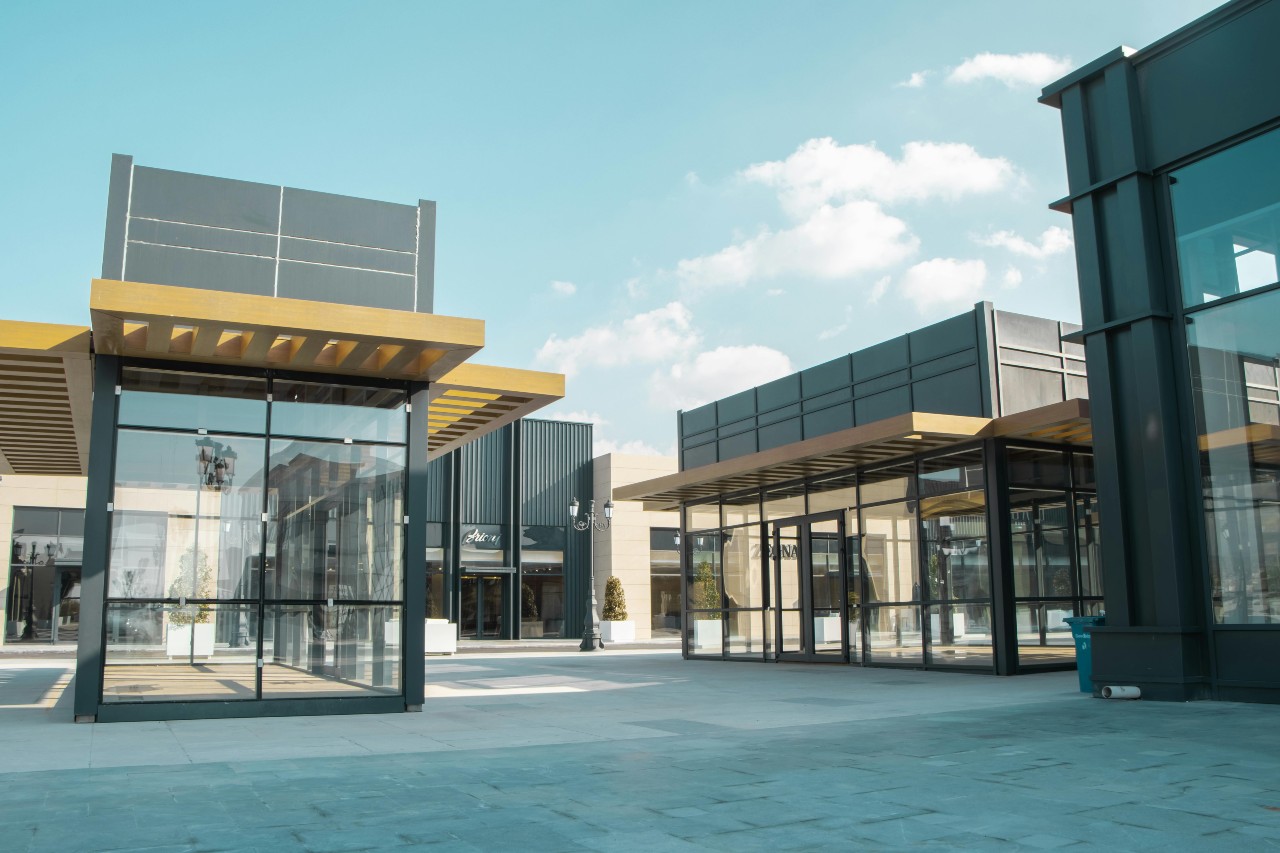
If you own or manage a commercial building in North Texas, you already know the weather can turn fast. One minute it’s sunny. The next, you’re watching golf-ball-sized hail bounce off your storefront. Tornado warnings are part of life here. So is the cleanup that comes after.
Standard glass wasn’t built for that. Storm-resistant glass was.
This guide breaks down what storm-resistant glass actually is, when it’s worth installing, and how it can save you money long after the storms pass.
The NOAA Storm Prediction Center tracks more severe storms in Texas than in any other state. North Texas sits right in the heart of Tornado Alley, and the DFW metroplex is one of the worst hail zones in the country. That combo puts a lot of stress on commercial buildings.
Regular annealed glass — the kind you’d find in older storefronts and windows — breaks easily. When wind picks up debris and slams it into your building, that glass shatters into sharp shards. Then wind gets inside. Once that happens, pressure builds up and can lift roofs, blow out doors, and turn a small problem into a total loss.
Storm-resistant glass is designed to hold together even when it cracks. That changes everything.
The term covers a few different products, and not all of them do the same job.
Tempered glass is heat-treated to be about four times stronger than regular glass. It also breaks into small, dull pieces instead of dangerous shards. It handles hail well but isn’t impact-rated for flying debris.
Laminated glass sandwiches a clear plastic layer between two sheets of glass. When it cracks, the plastic holds everything in place — like a car windshield. This is the gold standard for storm resistance.
Impact-rated glass is laminated glass that’s been tested against a “missile” — usually a 2×4 fired from a cannon at high speed. It has to meet standards like ASTM E1886 and ASTM E1996 to earn that rating.
For real protection, you want laminated, impact-rated glass paired with a heavy-duty frame system. The frame matters as much as the glass.
A lot of business owners think one product solves both. It doesn’t.
Hail damage usually comes from above and hits glass at an angle. Tempered and laminated glass both stand up well here. The Insurance Institute for Business & Home Safety has tested how different building materials hold up against simulated hailstorms, and the difference between standard and reinforced glass is big.
Wind-borne debris is a different story. A 2×4 traveling at 50 mph will go straight through tempered glass. Only laminated impact-rated glass stops it. If you’re in a tornado-prone area — which is all of North Texas and Southern Oklahoma — you want the impact rating.
You don’t need to glaze your entire building with impact-rated glass. Focus on the spots that matter most:
If you’re already planning a unitized curtain wall or new commercial windows, upgrading to laminated impact-rated glass is usually a small cost bump for a big protection upgrade.
Here’s something a lot of owners don’t realize: storm-resistant glass can lower your insurance premiums.
Many commercial property insurers offer discounts for impact-rated glazing, especially in high-risk hail zones. The savings depend on your carrier and location, but it’s worth a phone call. Some buildings have recovered the cost difference within a few years just from premium reductions.
Add to that the cost of avoiding a major claim — replacing shattered storefronts, repairing water damage, paying for lost business while you’re closed — and the math gets easy.
You might hear “Miami-Dade certified” thrown around with impact glass. That’s a coastal Florida standard for hurricane protection, and it’s one of the toughest in the country. Glass that meets Miami-Dade specs will absolutely handle a Texas storm.
That said, you don’t always need that level of protection inland. A good glazing contractor will help you match the product to your real risk level — not just sell you the most expensive option.
Every building is different. The right answer for a Sherman office park isn’t the same as the right answer for a Plano high-rise or a Paris school. That’s where local experience matters.
At Nortex Glass, we’ve been installing commercial glazing across North Texas and Southern Oklahoma since 2004. We know what works here because we’ve seen what doesn’t. Reach out for a free quote or check out our portfolio to see how we’ve helped other local businesses get storm-ready.
Storm-resistant glass is engineered to stay intact during severe weather. The most common types are tempered glass, laminated glass, and impact-rated glass. Laminated glass uses a plastic interlayer that holds the pane together even when cracked, which keeps wind and debris from getting inside the building.
Impact-rated laminated glass usually costs 30% to 100% more than standard glass, depending on size, thickness, and frame system. For most commercial projects, the added cost is offset by insurance savings, avoided storm damage, and lower replacement frequency over the life of the building.
Yes, hail can break tempered glass — especially large hail traveling at high speeds. Tempered glass is four times stronger than regular glass, but extreme hail events can still crack it. Laminated glass holds up better because the inner layer keeps broken pieces from falling.
In many cases, yes. Commercial insurers often offer discounts for buildings with impact-rated glazing, especially in tornado- and hail-prone regions like North Texas. The exact discount varies by carrier, but many owners recover part of the installation cost through annual premium savings.
No glass is fully tornado-proof against the strongest tornadoes (EF4 or EF5). But laminated impact-rated glass can withstand the wind speeds and debris of most severe storms, including EF1 to EF2 tornadoes. It also protects building interiors when standard glass would fail.

Planning a stadium, field house, or athletic facility? Learn how to choose safe, durable sports complex glazing, from press box windows to game-day entrances.

Ensure your commercial glass stays in top condition with our maintenance checklist. Discover inspection tips and professional services from Nort Glass in Sherman, TX.
DFW is in the middle of one of the biggest multi-family construction booms in the country. Apartments, condos, mixed-use towers, …