

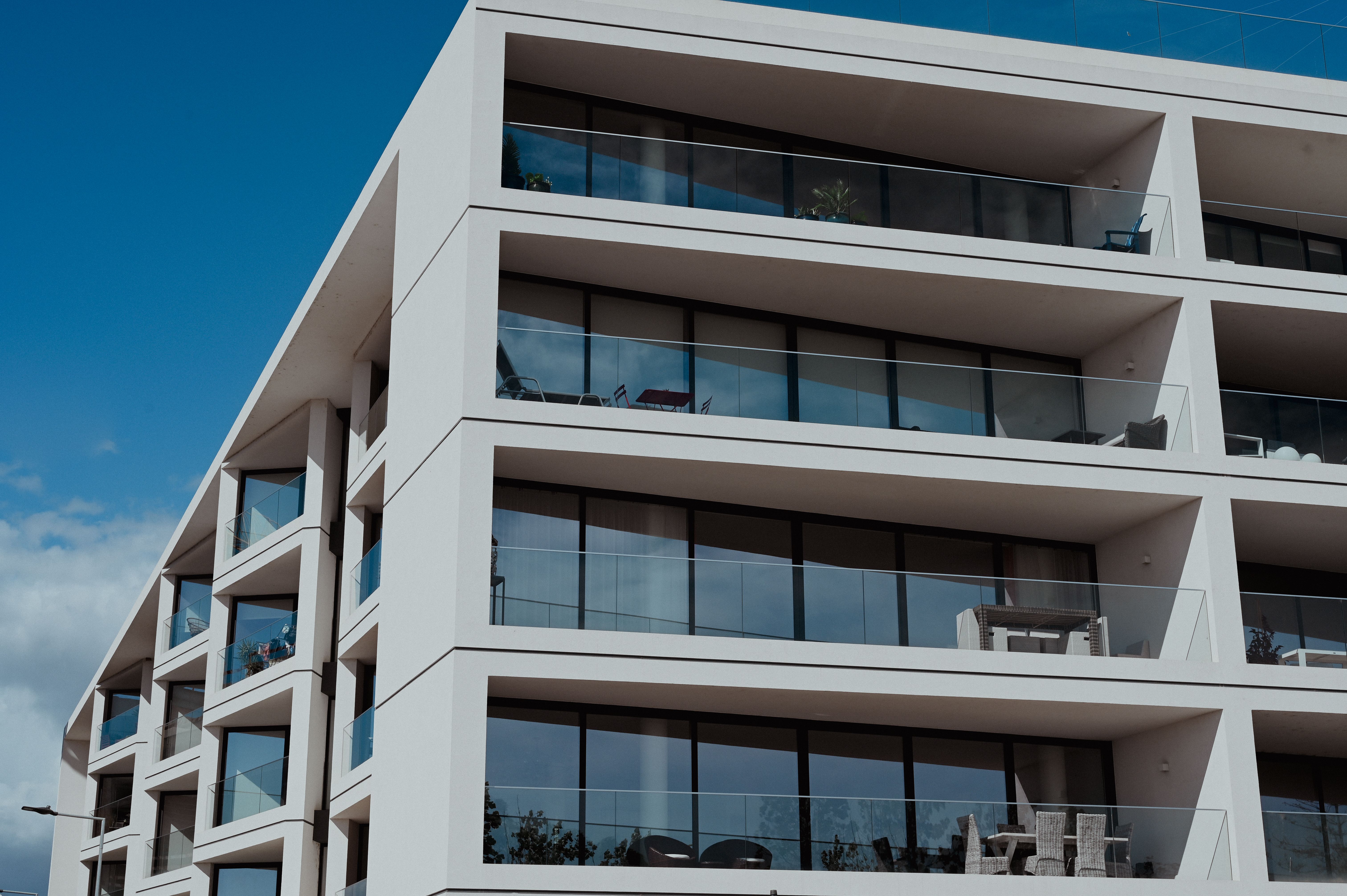
DFW is in the middle of one of the biggest multi-family construction booms in the country. Apartments, condos, mixed-use towers, and townhome communities are going up everywhere from Frisco to Sherman. For developers and property managers, the glass package can make or break the project.
Glass shapes the first impression of every lobby. It controls how much energy a building uses. It determines whether residents complain about noise. And in a competitive leasing market, it’s often what makes a unit feel premium — or feel cheap.
Here’s how to think through your glass choices on a multi-family build.
A modern apartment building or condo project has glass almost everywhere:
Each of these has different performance needs. A good glazing partner helps you spec the right product for each spot rather than over- or under-buying.
Walk through any leasing tour and watch where prospects’ eyes go. They look at the lobby. They look at the windows in the model unit. They look out at the view.
Big, clean, modern glazing tells a story before the leasing agent says a word. Frameless lobby entries, oversized unit windows, and well-detailed balcony railings all signal quality. Bulky framing, small windows, or visible seams send the opposite message.
This isn’t just aesthetics. Studies on resident satisfaction consistently show that natural light and views are among the top features driving lease renewals. A project that nails the glass usually performs better on retention.
Multi-family buildings have huge surface-to-floor ratios. That means windows have an outsized effect on heating and cooling costs.
Low-emissivity (Low-E) coatings, argon-filled insulated glass units, and high-performance frames all add up to real savings. According to the U.S. Department of Energy, Low-E glass can cut energy loss through windows by a meaningful margin compared to standard double-pane units.
For owners who pay common-area utilities, that’s direct savings. For owners who don’t, energy-efficient windows still help — they reduce HVAC strain and make units more comfortable, which keeps residents from moving out.
It’s the same logic that drives energy-efficient commercial glass decisions in office buildings, just applied at the multi-family scale.
If there’s one complaint that kills multi-family reviews, it’s noise. Highway traffic, train horns, neighbors, parking lots — residents notice all of it.
Standard insulated glass cuts some noise but not nearly enough for buildings near busy streets. Laminated glass with an acoustic interlayer makes a much bigger difference. So does staggered glass thickness in the insulated unit, which breaks up sound waves at different frequencies.
For urban infill projects and properties near highways, acoustic glazing isn’t a luxury — it’s a leasing necessity.
The International Building Code (IBC) requires safety glazing in any glass that’s part of a guard or railing. That usually means laminated or fully tempered glass for balcony railings, often with a specific thickness and interlayer.
Frameless glass railings have become a signature look for higher-end projects. They open up views, make balconies feel bigger, and signal quality. But they have to be installed correctly to meet code. The wrong installer can create a liability headache later.
For sliding balcony doors and full-height glass doors, you also want to think about wind load, security, and ease of operation. A good commercial glass door selection process applies here too.
A lot of new multi-family includes retail or restaurant space on the ground floor. The glass requirements there are completely different from the apartments above.
Storefront framing needs to handle public traffic, weather, and security. Storefront glass should be impact-rated in storm-heavy regions like North Texas. And the look of that ground-floor glass sets the tone for the entire property — it’s the most visible part of the building from the street.
If your project has restaurant tenants, the right restaurant storefront design approach will help them succeed, which keeps them paying rent.
Multi-family buildings stay in use for decades. Glass packages that look great on day one but require constant replacement get expensive fast.
Things to think about:
Cheaper isn’t always cheaper. A glazing package that costs a bit more upfront but lasts 10 years longer saves real money over the life of the building.
Multi-family glazing has its own rhythms. Tight construction schedules. Multiple unit types. Code requirements that vary by floor. Procurement cycles measured in months.
Nortex Glass has worked on multi-family developments across North Texas, from townhome communities to large apartment complexes. We understand the timelines, the budgets, and the realities of working with general contractors on big projects. Contact us for a project consultation or check out recent projects like The Cooper-Oleander.
Most apartment buildings use insulated glass units with Low-E coatings for energy efficiency, plus tempered or laminated safety glass for balconies, doors, and any location where code requires it. Higher-end projects often add acoustic glazing near busy streets and frameless glass railings for balconies.
Yes, the International Building Code requires safety glazing — typically tempered glass, laminated glass, or both — for any glass that’s part of a guardrail. Many jurisdictions require laminated glass specifically because it stays in place even when broken. Local code may add stricter requirements.
Acoustic laminated glass cuts outside noise significantly compared to standard double-pane windows. The plastic interlayer absorbs sound, and using glass panes of different thicknesses within an insulated unit blocks more frequencies. For multi-family near highways or train lines, acoustic glazing usually improves resident satisfaction and lease renewals.
Most modern lobbies use a combination of storefront systems and tempered or laminated glass for entry doors, plus large insulated glass windows for energy efficiency. Frameless glass entries are popular for premium properties because they create a clean, high-end look. Impact-rated glass is recommended in storm-prone regions like North Texas.
Yes. Low-E and insulated glass units cut window energy loss substantially, which lowers HVAC costs in common areas and reduces strain on unit-level systems. Even when residents pay their own utilities, efficient glass improves comfort, lowers complaints, and increases the chance of lease renewals.

Planning a stadium, field house, or athletic facility? Learn how to choose safe, durable sports complex glazing, from press box windows to game-day entrances.
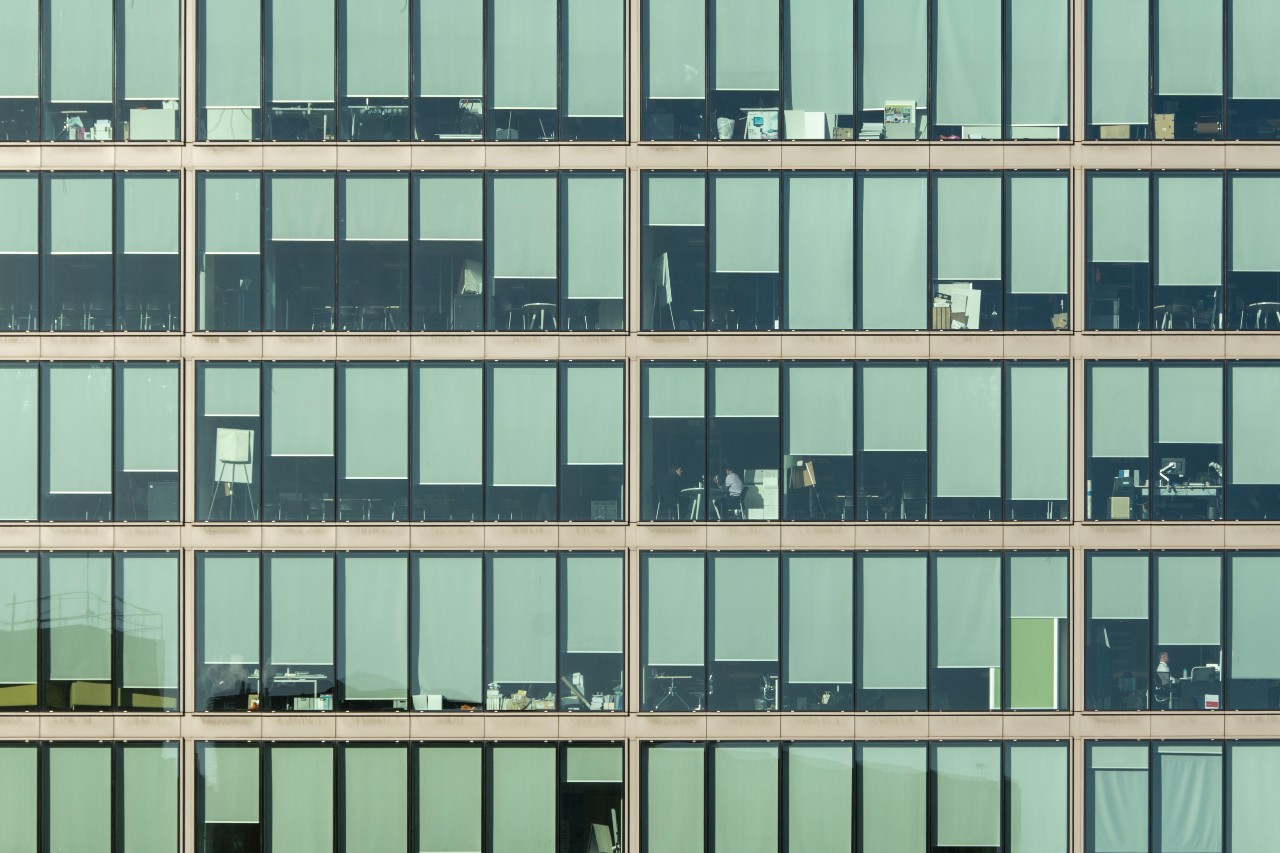
Ensure your commercial glass stays in top condition with our maintenance checklist. Discover inspection tips and professional services from Nort Glass in Sherman, TX.
DFW is in the middle of one of the biggest multi-family construction booms in the country. Apartments, condos, mixed-use towers, …