

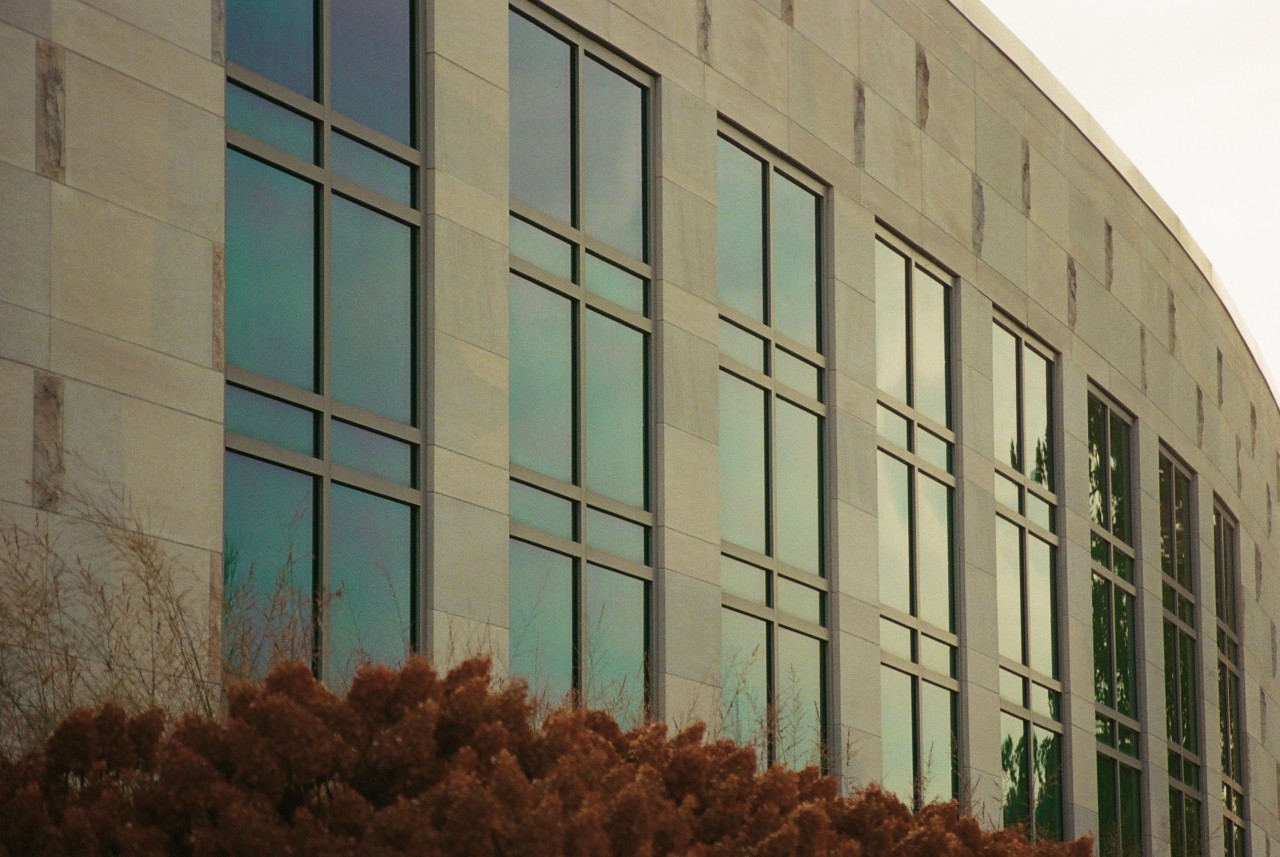
Game day puts a lot of pressure on a building. Thousands of fans pass through the gates in under an hour. Press boxes sit high above the stands in full wind and sun. Field houses take stray balls, equipment carts, and year-round use from athletes, bands, and community groups.
Glass plays a bigger role in these facilities than most people notice. It gives coaches and broadcasters a clear view of the field, brings daylight into training spaces, and creates the entrances fans walk through every week. It also has to meet safety requirements that do not apply to a typical office or retail building.
Here’s what owners, architects, and general contractors should know about sports complex glazing—and where the right decisions matter most.
A sports complex combines several building types in one project. It may include an assembly venue, offices, locker rooms, a weight room, concessions, ticketing, and hospitality spaces. Each area places different demands on the glazing system.
Compared with a standard commercial building, athletic facilities often deal with:
Planning for these conditions early helps avoid change orders, failed inspections, and glass that has to be replaced a few seasons later.
Safety glazing is the starting point for any athletic facility. Building codes require it in hazardous locations such as doors, sidelites, and glass near walking surfaces. The International Building Code also includes specific provisions for glazing in gymnasiums, basketball courts, and similar athletic spaces where people may run or fall into the glass.
Tempered glass is heat-treated to make it several times stronger than standard annealed glass. When it breaks, it crumbles into small pieces instead of large, sharp shards. It is common in doors, sidelites, interior partitions, and many storefront openings.
Laminated glass bonds two or more lites of glass to a plastic interlayer. When it breaks, the fragments tend to stay attached to the interlayer, and the pane generally remains in the opening.
That makes laminated glass a strong choice for:
Many sports projects use both types, and some openings combine them in a single insulated unit. A commercial glazing contractor can match the glass makeup to the location, the code requirement, and the kind of impact the opening is likely to see.
For related guidance on protective glazing, read our school safety glass guide for Texas campuses.
The press box is one of the most demanding glazing locations in any stadium. It sits at the highest point of the structure, faces the field directly, and has to work for coaches, broadcasters, scorekeepers, and game officials at the same time.
Everyone in the press box needs to follow the action without distraction. Glass selection affects how well they can do that.
Consider:
Highly reflective glass can look sharp from the outside, but it often turns into a mirror on the inside once the sun goes down. That is a problem in a space used mostly at night.
Coaches and broadcast crews often want to open the windows to hear the game and the crowd. Horizontal sliding and lift-up window systems are common choices.
Operable press box windows should move easily, seal tightly when closed, and hold up to repeated use. Because they sit directly above spectators, laminated glass is worth considering to reduce the risk of falling glass after breakage.
Glass at the top of a grandstand sees higher wind pressure than glass at ground level. Large assembly buildings are also often assigned a higher risk category under the building code, which can increase the design loads.
Glass thickness, framing depth, anchors, and sealant joints should be engineered for the actual height and exposure of the structure. North Texas adds hail and wind-driven debris to the list. Our guide to storm-resistant glass for North Texas businesses covers those options in more detail.
Hospitality spaces often use floor-to-ceiling glass, sliding or folding glass doors that open to outdoor seating, and glass railings that protect the view. Insulated low-e units help keep these conditioned rooms comfortable in early-season heat.
Stadium and arena doors may see light use all week and then thousands of cycles in a few hours. Standard light-duty storefront hardware does not last long under that kind of traffic.
Plan for:
Ticket booths and concession stands need attention too. Sliding transaction windows, pass-through trays, and speak-through openings should operate smoothly and lock securely. Security glazing may be appropriate where staff handle cash.
If you are comparing entrance systems, review the top factors to consider before choosing a commercial entry door.
Indoor athletic spaces benefit from natural light, but the glass has to be placed and specified carefully.
Clerestory windows set high on the wall bring in daylight while keeping glass out of the main impact zone. North-facing glass, diffusing glass, and ceramic frit patterns help reduce direct glare that can interfere with play.
Where glass sits within reach of balls, athletes, or equipment, use safety glazing rated for the application. Laminated glass, protective screens, and thoughtful placement all help reduce damage and downtime.
Coaches’ offices that overlook the weight room, athletic training rooms, film rooms, and lobbies often use interior glass to improve supervision and keep spaces connected. Tempered or laminated glass is standard in these openings.
Weight rooms, wrestling rooms, and dance and cheer studios rely on large wall mirrors. Commercial mirrors in athletic spaces should be safety-backed, properly supported, and installed over a suitable wall surface.
Trophy cases and hall-of-fame displays are another common request. Tempered or laminated glass, secure locks, and clean sightlines protect what is inside while showing it off.
Indoor pools are hard on glazing systems. Warm, humid, chemical-laden air promotes condensation and corrosion.
A natatorium glazing package should typically include:
Glazing and mechanical design should be coordinated. Moving dry supply air across the glass is one of the most effective ways to limit condensation.
Texas sun affects both comfort and operating costs. West-facing lobbies, suites, offices, and locker rooms can overheat quickly without the right glass.
Low-e coatings, tints, ceramic frit, and exterior shading all reduce solar heat gain. The best combination depends on the orientation of the building, how each space is used, and whether it is conditioned year-round or only on event days.
Learn more about how energy-efficient commercial glass can transform a building.
The first home game does not move. That makes scheduling one of the biggest risks on a sports project.
A few steps keep the glazing scope on track:
Many sports facilities are publicly funded through school district bond programs or municipal budgets. These projects usually require bonding, detailed submittals, and thorough closeout documentation, so experience with public work matters.
Once the facility is open, a routine inspection plan protects the investment. Our commercial glass maintenance checklist is a good place to start.
The right glazing package makes a sports complex safer, more comfortable, and easier to operate for decades.
NorTex Glass is a fully bonded commercial glass and glazing contractor serving North Texas and Southern Oklahoma. Our experience includes sports complexes in both the public and private sectors, along with educational and municipal facilities. Our estimators, fabricators, project managers, and glaziers bring more than 100 years of combined experience to every project.
Browse our commercial glass portfolio or contact NorTex Glass to discuss your stadium, field house, or athletic facility.
Most press boxes use insulated units made with tempered glass, laminated glass, or a combination of both. Laminated glass is often preferred above seating areas because broken fragments tend to stay bonded to the interlayer. The final makeup depends on wind load, code requirements, and how the windows operate.
Yes. Building codes require safety glazing in hazardous locations, and the International Building Code includes specific provisions for glass in gymnasiums, basketball courts, and similar athletic spaces subject to human impact. Your architect and glazing contractor can confirm the requirements that apply in your jurisdiction.
Start with glass that has low interior reflectance so room lighting does not mirror back during night games. Low-iron glass, anti-reflective options, careful mullion placement, and dimmable interior lighting also help. Avoid highly reflective coatings in spaces used mainly after dark.
Urgent repairs can be completed at any time, and damaged glass should never be left in place above or near spectators. Larger replacements and upgrades are best scheduled for the off-season, with materials ordered well in advance to account for lead times.
Natatoriums perform best with thermally broken framing, insulated glass with warm-edge spacers, corrosion-resistant finishes and fasteners, and well-detailed seals. Coordinating the glazing with the mechanical system is just as important for controlling condensation.
Planning a stadium, field house, or athletic facility? Learn how to choose safe, durable sports complex glazing, from press box windows to game-day entrances.
Ensure your commercial glass stays in top condition with our maintenance checklist. Discover inspection tips and professional services from Nort Glass in Sherman, TX.
DFW is in the middle of one of the biggest multi-family construction booms in the country. Apartments, condos, mixed-use towers, …