

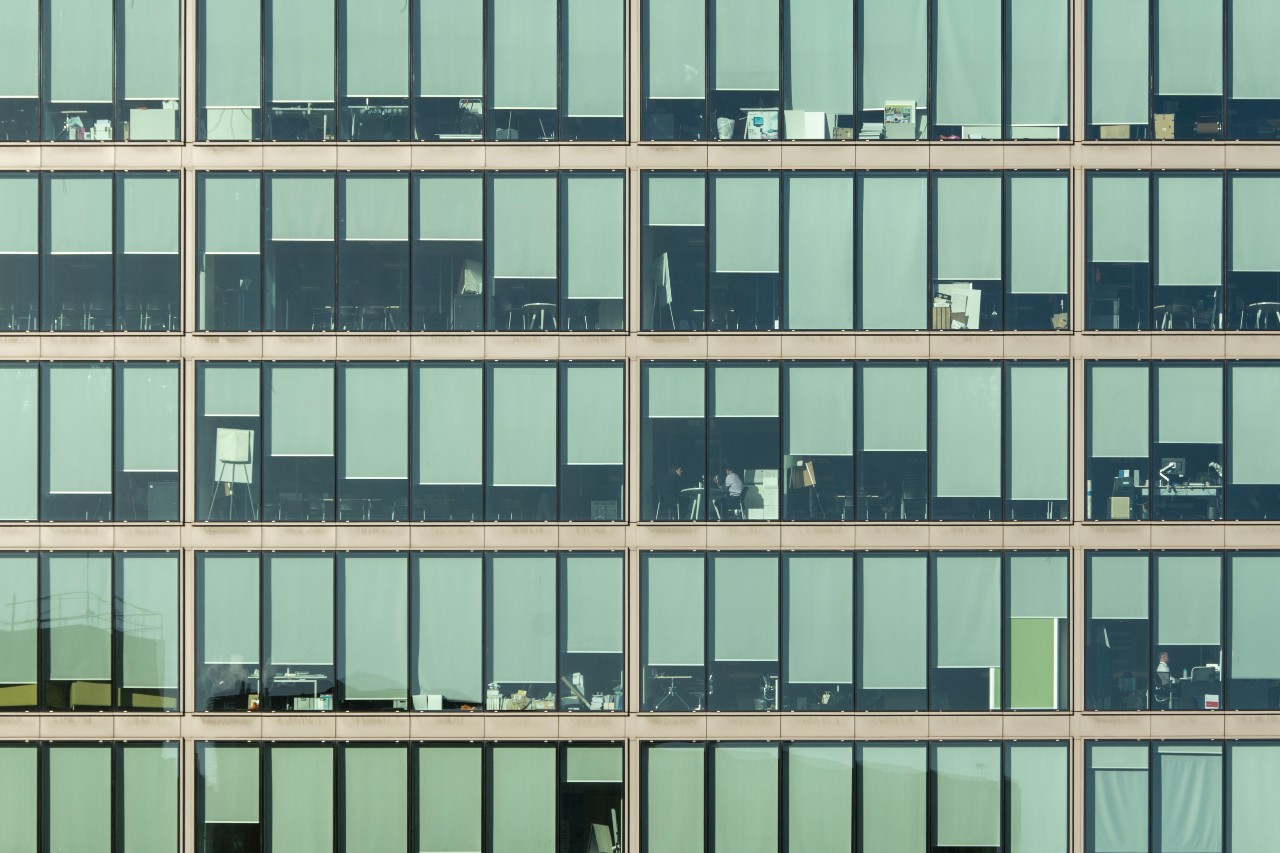
Commercial glass works hard every day. Storefront windows face heat, wind, rain, dirt, door traffic, and the occasional impact. Over time, small problems with the glass, framing, seals, or hardware can turn into water leaks, higher energy costs, safety concerns, and unexpected repairs.
The good news is that most commercial glazing problems show warning signs before they become emergencies. A regular commercial glass maintenance checklist can help property managers and business owners find those signs early.
Here’s what to inspect—and when to call a professional commercial glass contractor.
Your glass is part of a complete building system. The pane itself matters, but so do the frames, sealants, gaskets, doors, closers, locks, and drainage channels around it.
When one part starts to fail, you may notice:
Routine commercial glass maintenance can extend the life of your glazing system and help you plan repairs before they disrupt tenants, employees, or customers.
You do not need specialized equipment to perform a basic visual inspection. Walk the exterior and interior of the building and look closely at every accessible storefront, window, and glass entry door.
Inspect each pane for chips, cracks, scratches, or small impact marks.
Even minor damage deserves attention. Temperature changes, building movement, and continued impact can cause an existing crack to spread. Damage near the edge of a pane can be especially concerning because the edge is an important part of the glass system.
Do not press on damaged glass or attempt to repair it yourself. Have a commercial glazier evaluate whether the pane can remain in place or needs replacement.
For more warning signs, read our guide to commercial storefront glass replacement.
Sealant and rubber gaskets help hold the glass securely while keeping air and water outside.
Look for:
Failed sealant does not always mean the glass needs to be replaced. In many cases, targeted commercial glass repair or resealing can restore the opening when the problem is addressed early.
Cloudiness, condensation, or a hazy appearance between two panes usually points to a failed insulated glass seal.
Cleaning will not remove moisture trapped inside an insulated glass unit. Once the perimeter seal fails, the unit may lose some of its insulating performance and continue collecting moisture.
A commercial glazing contractor can determine whether the insulated glass unit can be replaced while keeping the existing frame.
Stand near commercial windows and storefront systems on a windy or rainy day. Watch for drafts, moisture, staining, or damp flooring near the opening.
Water intrusion may come from failed sealant, blocked drainage paths, damaged flashing, or movement in the framing system. The source is not always directly above the visible leak, so repeated water problems should be professionally diagnosed rather than covered with another layer of caulk.
Inspect aluminium framing, mullions, and surrounding finishes for:
Frames help transfer loads and keep the glazing system secure. Significant movement or damage should be evaluated promptly.
Glass entry doors receive more daily wear than almost any other part of a storefront. A door that is out of alignment can damage hinges, pivots, closers, locks, weatherstripping, and surrounding glass.
Open and close each door several times. It should move smoothly, close at a controlled speed, and latch without being pushed or pulled into place.
Watch for doors that:
These problems often indicate worn hardware or poor alignment. Early adjustment can prevent more expensive damage to the complete entrance system.
Look for leaking door closers, loose fasteners, damaged hinges, and worn pivots. Do not ignore oil around a floor closer or overhead closer. A leaking closer may be approaching failure and can cause the door to move unpredictably.
Confirm that locks, latches, exit devices, and panic hardware operate correctly. Hardware should engage securely without forcing the door out of alignment.
Security, emergency egress, and accessibility all depend on properly functioning door hardware. Repairs should be handled by qualified professionals when the door is not closing or latching consistently.
Damaged weatherstripping can allow hot air, cold air, water, dust, and insects into the building.
Check for torn sweeps, missing seals, loose thresholds, and visible daylight around the closed door. Replacing these components can improve comfort and help protect interior flooring near the entrance.
Planning a new entrance system? Review the top factors to consider when choosing a commercial entry door.
North Texas weather can change quickly. High winds, hail, and wind-driven debris can damage glass, perimeter seals, and framing even when the pane does not break completely.
After a major storm, inspect the building for:
Keep people away from glass that is cracked, loose, or making unusual sounds. Do not tape over major damage and assume the opening is secure.
Businesses in storm-prone areas may also benefit from reviewing available storm-resistant glass options for North Texas buildings.
Regular cleaning improves appearance and makes damage easier to spot. It also prevents dirt and residue from collecting around gaskets, frames, and hardware.
Use a soft cloth, sponge, or professional squeegee with a mild glass-cleaning solution. Avoid abrasive pads, metal scrapers, harsh chemicals, and high-pressure washing directly against glazing seals.
Specialty coatings, films, tinted glass, laminated glass, and decorative finishes may require specific cleaning products. Check the manufacturer’s instructions before using unfamiliar chemicals or tools.
Clean framing and drainage areas carefully. Do not seal over drainage openings or weep holes. These channels are designed to move water out of the glazing system.
A simple schedule makes preventive glass maintenance easier to manage.
Schedule a professional commercial glass inspection for larger buildings, ageing storefronts, high-traffic properties, or locations with recurring leaks and door problems.
A professional glazier can identify issues that may not be obvious during a visual walk-through, including failed insulated glass units, frame movement, improper drainage, deteriorated seals, and worn entrance hardware.
Not every problem requires a full replacement.
Minor sealant failure, worn weatherstripping, and some door-alignment issues may be repairable. A damaged insulated glass unit may also be replaced without removing the entire framing system.
Replacement is more likely when:
A reliable commercial glazing contractor should explain the condition of the system, the available repair options, and whether replacement offers better long-term value.
You can also explore how different commercial building window systems balance appearance, durability, and energy performance.
Preventive maintenance protects more than the appearance of your building. It helps reduce unexpected failures, protects interior spaces, and keeps storefronts and entrances operating safely.
NorTex Glass provides commercial glass installation, storefront repair, glass replacement, entrance systems, and glazing services for businesses and facilities across North Texas and Southern Oklahoma.
Browse our commercial glass portfolio or contact NorTex Glass to schedule an inspection or request a quote.
Property managers should perform a basic visual inspection at least once a month. High-traffic entrances and storm-exposed glass may need more frequent checks. A professional inspection is also useful annually or whenever leaks, fogging, cracks, or door-operation problems appear.
Cracked glass generally cannot be restored to its original structural condition. The damaged pane or insulated glass unit usually needs to be replaced. A commercial glazier can confirm the safest solution based on the glass type, location, and framing system.
Moisture between panes usually indicates that the seal around an insulated glass unit has failed. Because the condensation is inside the unit, it cannot be removed through normal cleaning. The sealed glass unit will typically need replacement.
Heavy use, worn pivots, loose hardware, closer problems, frame movement, and impact damage can all affect door alignment. Continuing to operate a misaligned door can damage the frame, hardware, threshold, and surrounding glass.
Yes. Hail and wind-driven debris can cause chips, cracks, seal damage, and frame problems that may not be obvious from a distance. Inspect the system after severe weather and contact a commercial glass contractor when you find damage or water intrusion.
Planning a stadium, field house, or athletic facility? Learn how to choose safe, durable sports complex glazing, from press box windows to game-day entrances.
Ensure your commercial glass stays in top condition with our maintenance checklist. Discover inspection tips and professional services from Nort Glass in Sherman, TX.
DFW is in the middle of one of the biggest multi-family construction booms in the country. Apartments, condos, mixed-use towers, …