

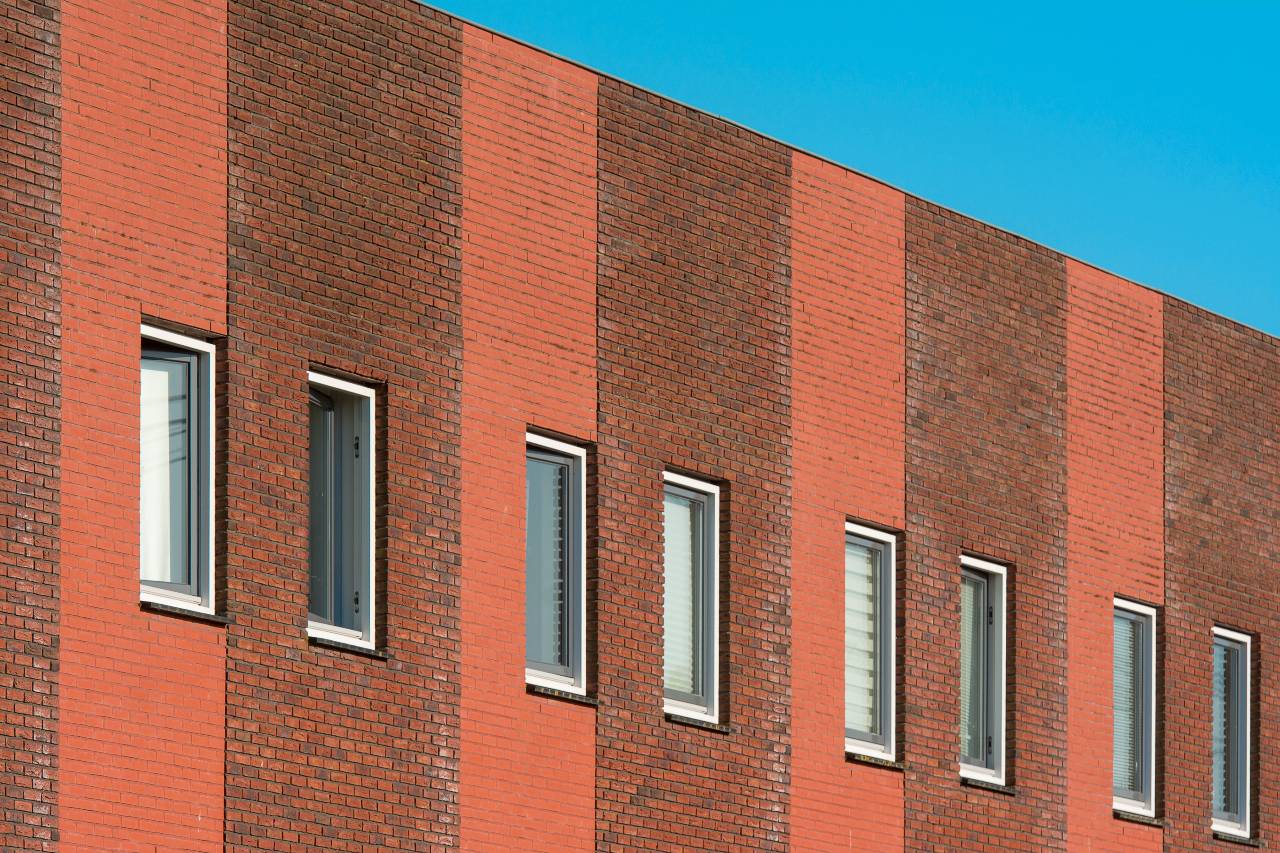
Every district in Texas is rethinking how they protect students. After recent legislation and major funding boosts for school safety, administrators are looking hard at the parts of their buildings that haven’t been upgraded in decades. Windows and doors are usually at the top of that list.
There’s a reason. Glass is often the weakest point in a school’s security plan. The good news: today’s school safety glass can buy critical time during an emergency without making a campus feel like a fortress.
Here’s what facility directors and superintendents need to know.
Most intruders don’t pick locks. They break glass. Entry vestibules, classroom door lites, and ground-floor windows are the fastest way in.
Standard glass shatters in seconds. Even tempered glass, which is stronger, breaks into a single pile when hit hard enough. A determined person can be inside a building in under 30 seconds through a typical school entry.
That’s the time you’re trying to extend. Every extra second of delay gives staff time to lock down, gives students time to shelter, and gives law enforcement time to arrive. School safety glass is built for exactly that — slowing entry.
There are a few main options, and many schools use a mix depending on the location.
Laminated security glass is the most common upgrade. It looks like normal glass but has a tough plastic interlayer that holds it together even when shattered. An attacker can crack it, but they can’t easily get through. Forced-entry tests show it can hold up for several minutes against direct attack.
Security film is a retrofit option. It bonds to existing glass and adds the same kind of hold-together strength as laminated glass. It costs less than full replacement but typically doesn’t last as long or perform quite as well.
Polycarbonate glazing is essentially clear plastic that’s far stronger than glass. It’s used in high-risk applications but can scratch and yellow over time.
Ballistic-rated glass stops bullets. It’s tested under UL 752 standards across multiple levels. Most schools don’t install full ballistic glazing — it’s heavy and expensive — but some choose it for front entry vestibules and main offices.
For most Texas schools, laminated security glass at vulnerable entry points hits the right balance of protection, cost, and appearance.
When you’re getting quotes, look for these ratings:
A good glazing contractor will help you match the right standard to the right opening. You don’t need ballistic glass on every window. You probably do need forced-entry resistance at the front entrance and any door with vision panels.
Texas Senate Bill 11 and House Bill 3 have changed what school safety looks like across the state. The Texas School Safety Center and the Texas Education Agency provide guidance on standards districts are expected to meet, including requirements around secure vestibules and forced-entry resistance.
Many districts qualify for state funding to upgrade glazing as part of their school safety plans. The federal CISA K-12 School Security Guide also outlines best practices that align with what most insurance carriers and architects now recommend.
If you’re planning a bond project or applying for safety grants, glazing upgrades should be on the list.
Schools rarely have the budget to replace every window at once. Smart prioritization matters. Most security consultants recommend this order:
If you’re already planning new construction or major renovations, building in forced-entry resistance from the start is far cheaper than retrofitting later.
This used to be a tradeoff. Older security glazing was thick, tinted, and obvious. Today’s laminated security glass looks like regular glass. Visitors won’t notice. Students won’t feel like they’re in a bunker.
The same thinking applies to other building types we work on, like healthcare facilities and public buildings — modern safety glass blends in instead of standing out.
Texas has its own rules, its own funding cycles, and its own school architecture. A glazing partner who knows the local code, the state safety requirements, and the local supply chain will save your district time and money.
Nortex Glass has worked on dozens of Texas school projects across North Texas and Southern Oklahoma. We understand district timelines, summer-break schedules, and the realities of doing this work on an active campus. Check out our portfolio to see schools like Sherman HS, Sunnyvale Intermediate, and Van Alstyne ES, or get in touch for a free consultation — we’ll help you map a plan that fits your budget and your safety goals.
School safety glass is a category of glazing designed to slow or stop intruders, projectiles, or both. The most common type is laminated security glass, which uses a plastic interlayer to hold the pane together even when shattered. It can resist forced entry for several minutes — long enough for lockdown procedures and emergency response.
No, Texas does not require bullet-resistant glass in all schools. State law requires secure vestibules and certain forced-entry protections, but ballistic-rated glass is usually installed only at main entries or by district choice. Most schools focus on laminated security glass for broader protection at lower cost.
Forced-entry resistant glazing typically costs $50 to $150 per square foot installed, depending on the rating, framing, and door system. Security film retrofits cost less — often $10 to $25 per square foot — but offer less protection. State school safety grants can help offset costs.
Security film can be a good interim solution, but it doesn’t fully match laminated glass. Film bonds to existing glass and adds strength, but it depends on the original frame and glass quality. Laminated glass is purpose-built and tested as a single system, which usually means longer life and stronger performance.
Most security consultants and Texas guidance recommend at least ASTM F1233 or ASTM F3561 forced-entry resistance for main entry vestibules. Some districts add UL 752 ballistic protection on top of that. The right rating depends on the campus risk assessment and district safety plan.
Planning a stadium, field house, or athletic facility? Learn how to choose safe, durable sports complex glazing, from press box windows to game-day entrances.
Ensure your commercial glass stays in top condition with our maintenance checklist. Discover inspection tips and professional services from Nort Glass in Sherman, TX.
DFW is in the middle of one of the biggest multi-family construction booms in the country. Apartments, condos, mixed-use towers, …